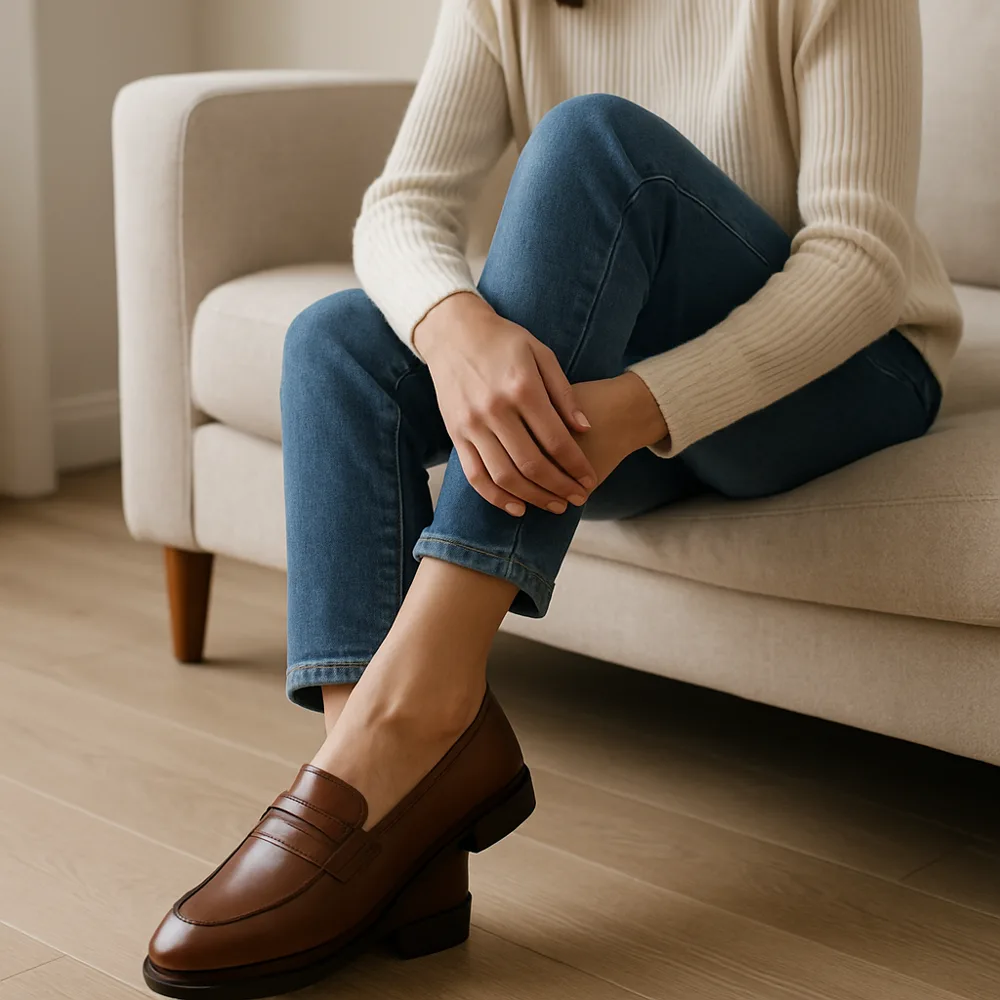
Shoes do not all wear out on the same schedule. How long a pair lasts depends on materials, frequency of use, walking surface, body weight, and care. Instead of relying on a fixed date, check the condition regularly. Look for separated soles, damaged uppers, loose fastenings, and areas where tread has become smooth.
Pay attention to how the shoes feel compared with when they were new. A noticeable change in cushioning, stability, or comfort may suggest that the pair is no longer serving its purpose. Uneven wear can be a reason to inspect the shoe, but it does not by itself reveal a medical or gait problem.
Some damage is cosmetic and does not affect how the shoe functions. Other problems, such as a sole coming loose or an upper that no longer holds the foot, can make wear uncomfortable or unsafe. A repair may be possible for some footwear, especially certain leather shoes, but many casual and athletic shoes are not designed for easy rebuilding.
Retire a pair from demanding activity if it feels unreliable, even if it can still serve for light chores. Replace footwear when condition or comfort no longer matches your needs. If pain begins or continues, do not assume worn shoes are the only cause; seek appropriate professional advice.